
Business Auto Telematics Insurance
Guardian Insurance Agency
See your fleet. Shape your risk. Save on costs.
Usage‑based coverage (telematics) turns vehicle and driver data into action helping you run safer routes, control maintenance, and potentially lower premiums.
- Home
- Business and Commercial Insurance
- Business Auto Telematics Insurance
What telematics insurance does
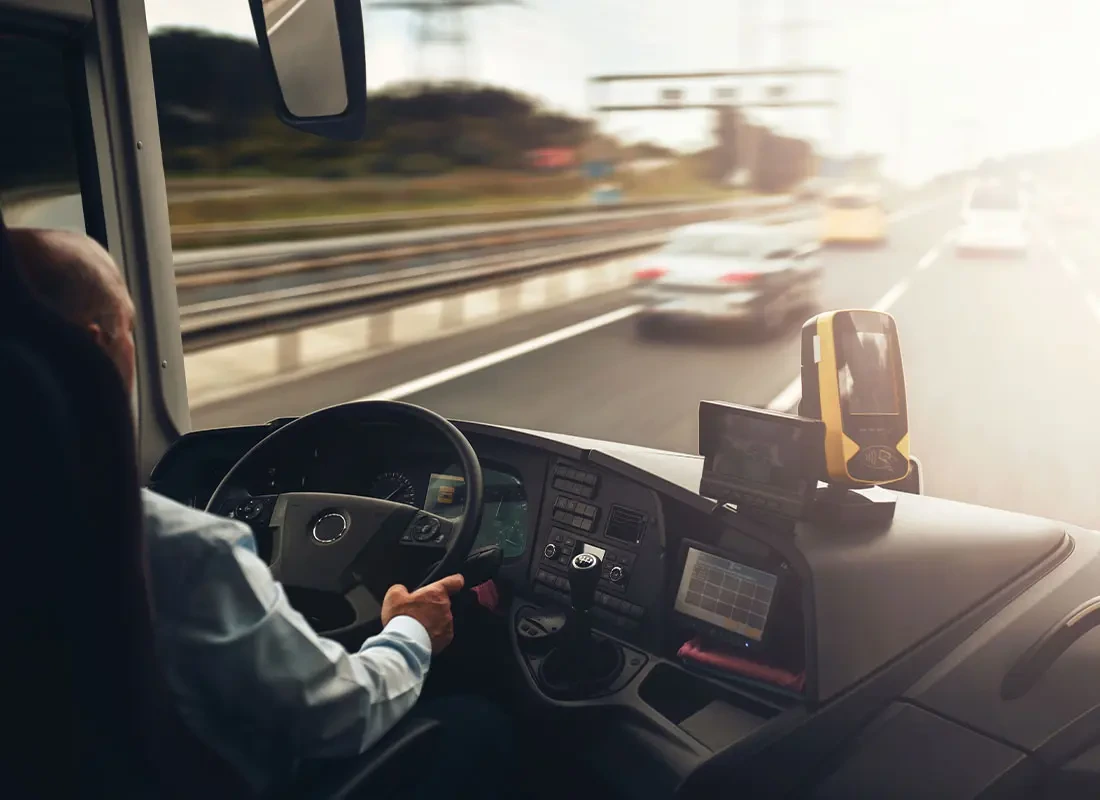
Telematics uses factory installed modules, OBD‑II plug‑ins, Bluetooth beacons, or mobile apps to capture real‑time data from your vehicles and drivers. Insurers and fleet managers use this to:
- Measure mileage & duty cycles for accurate rating and planning.
- Track speed, hard braking, rapid acceleration, cornering, and phone distraction indicators.
- Monitor location, routes, idling, time of day, and geofences.
- Surface diagnostics & maintenance issues (DTCs, battery health, temps) and predictive service needs.
With the right program, safer fleets can qualify for usage‑based credits or performance incentives.
Why businesses use telematics
- Safety: Identify risky habits; coach drivers with clear, objective data.
- Maintenance: Plan service by actual usage; catch small issues before big breakdowns.
- Operations: Optimize routes, fuel, idle time, and on‑time performance.
- Claims & premiums: Reduce frequency/severity; some carriers offer discounts tied to metrics.
- Proof: Reconstruct events (time, place, speed) to support claims and defend disputes.
Devices you can use
- Built‑in OEM modules (newer vehicles).
- OBD‑II plug‑ins (light‑duty) and hard‑wired units (heavy‑duty).
- Mobile apps (smartphone telematics) and Bluetooth beacons. Depending on your setup, you can track mileage, fuel use, routes, GPS, and engine data across your fleet.
Drivers benefit, too
- Personal scorecards and instant feedback build safer habits.
- Many programs offer rewards (gift cards, recognition) for sustained safe driving.
- Transparent metrics reduce guesswork and improve trust.
Simplify compliance
Telematics can help streamline record‑keeping for:
- Hours and routes, service intervals, and vehicle inspections.
- Mileage logs for fuel tax reporting and maintenance audits. The right program reduces paperwork and centralizes your data trail.
Privacy & data governance (best practice)
- Obtain driver consent and share a simple privacy notice.
- Define data retention and access controls (least privilege).
- Use MFA and encrypted storage; limit third‑party sharing.
- Focus coaching on safety outcomes, not surveillance.
What affects price
- Vehicle mix (light vs. heavy duty), routes, and annual mileage.
- Driver count & loss history.
- Telematics participation level and safety results.
- Selected limits, deductibles, and endorsements (e.g., HNOA, additional insured).
We’ll align carrier programs with your fleet profile to balance savings and coverage.
Helpful add‑ons to consider
- Hired & Non‑Owned Auto (HNOA) for rentals and employee‑owned vehicles.
- Additional Insured / Primary & Non‑Contributory / Waiver of Subrogation (contractual needs).
- Rental reimbursement & towing; Gap for financed units.
- Drive Other Car for owners without personal auto.
- Fleet safety credits (telematics/dashcam programs, where available).
The Guardian way
We review your routes, drivers, contracts, and telematics stack.
We select carrier programs that reward real safety gains.
We right‑size limits and endorsements and help you land COIs fast.
Guardian Insurance Agency — Proper protection—prior to peril.
Call
+1 888 388 2864
Visit
1818 E 1st Street #530 Santa Ana CA 92705